Professional Sports ↗ (opens in a new tab)
Norway · EN

Ascender S.A.R. 2Vi® Mips

One certified shell, configured per mission. Pre-preg carbon top shell, multi-density EPS and threaded inserts for mounting accessories.

Developed with the Norwegian Air Ambulance Foundation

Specified and quoted, not priced

Mission

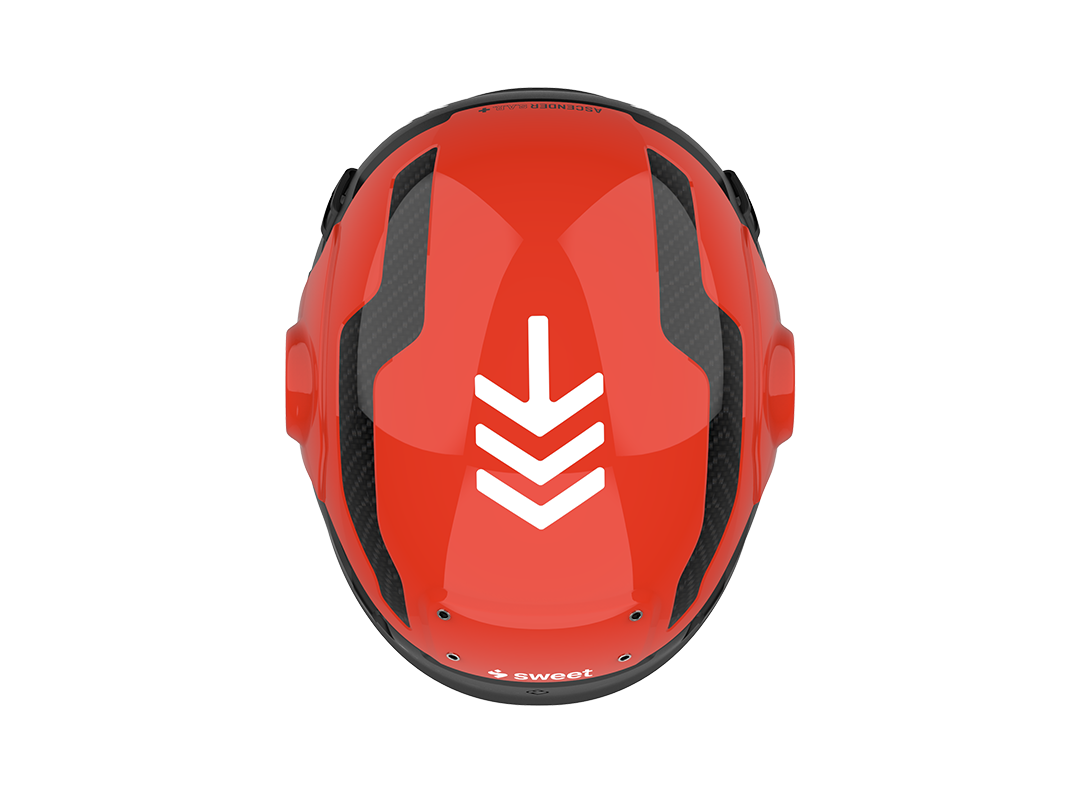
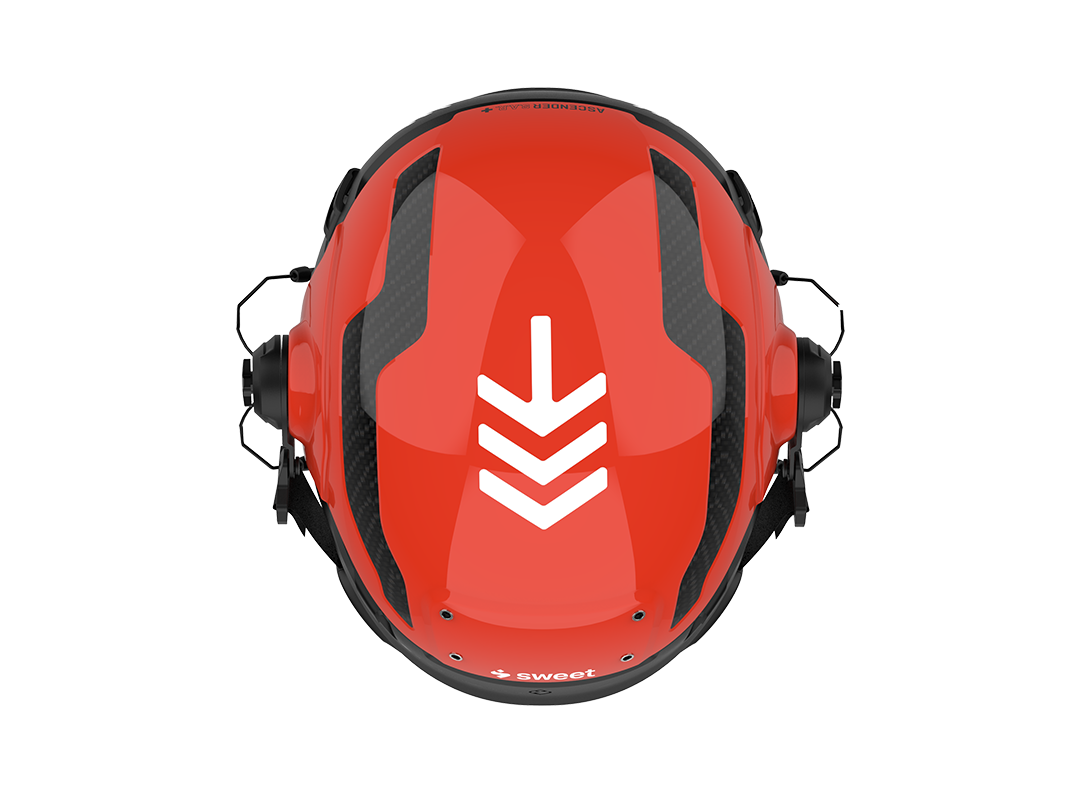
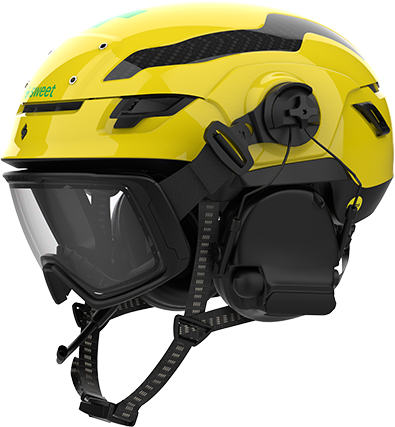
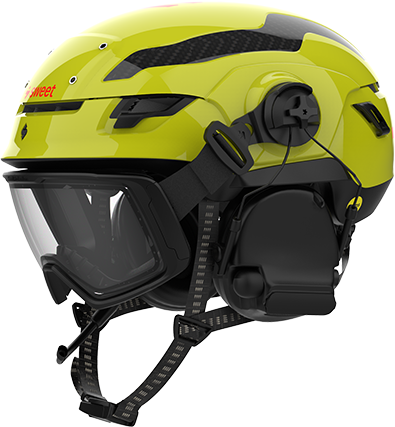
Seven configurations

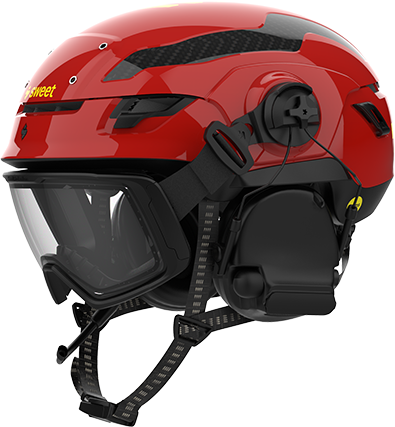
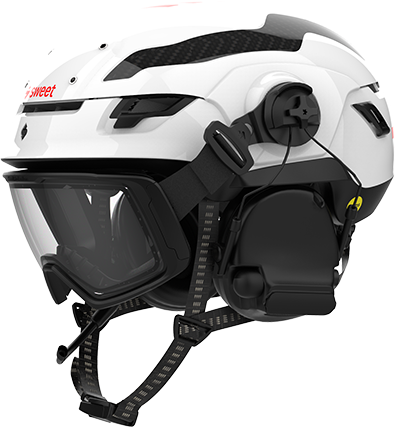
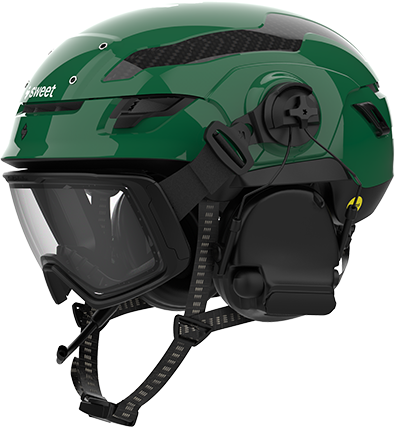
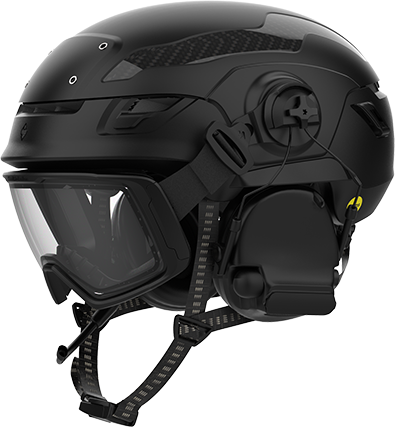
Colour is not a separate choice. Each mission is its own colourway, marking and accessory set, so you specify by what the crew does.

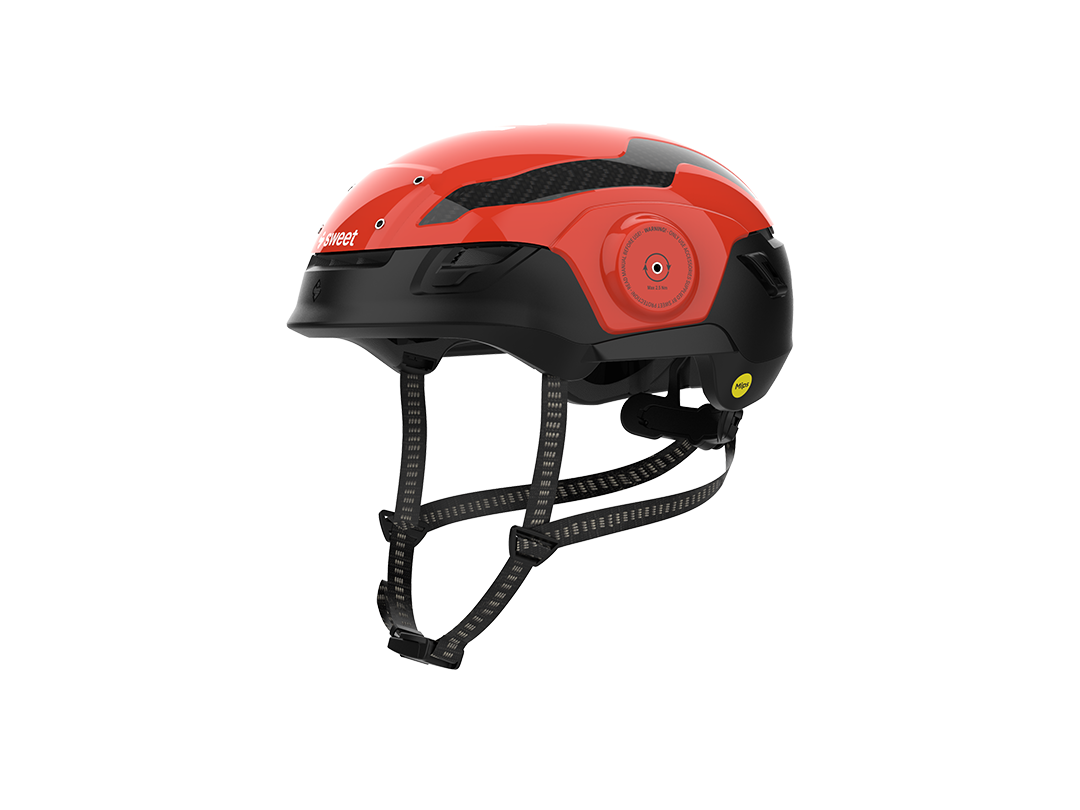
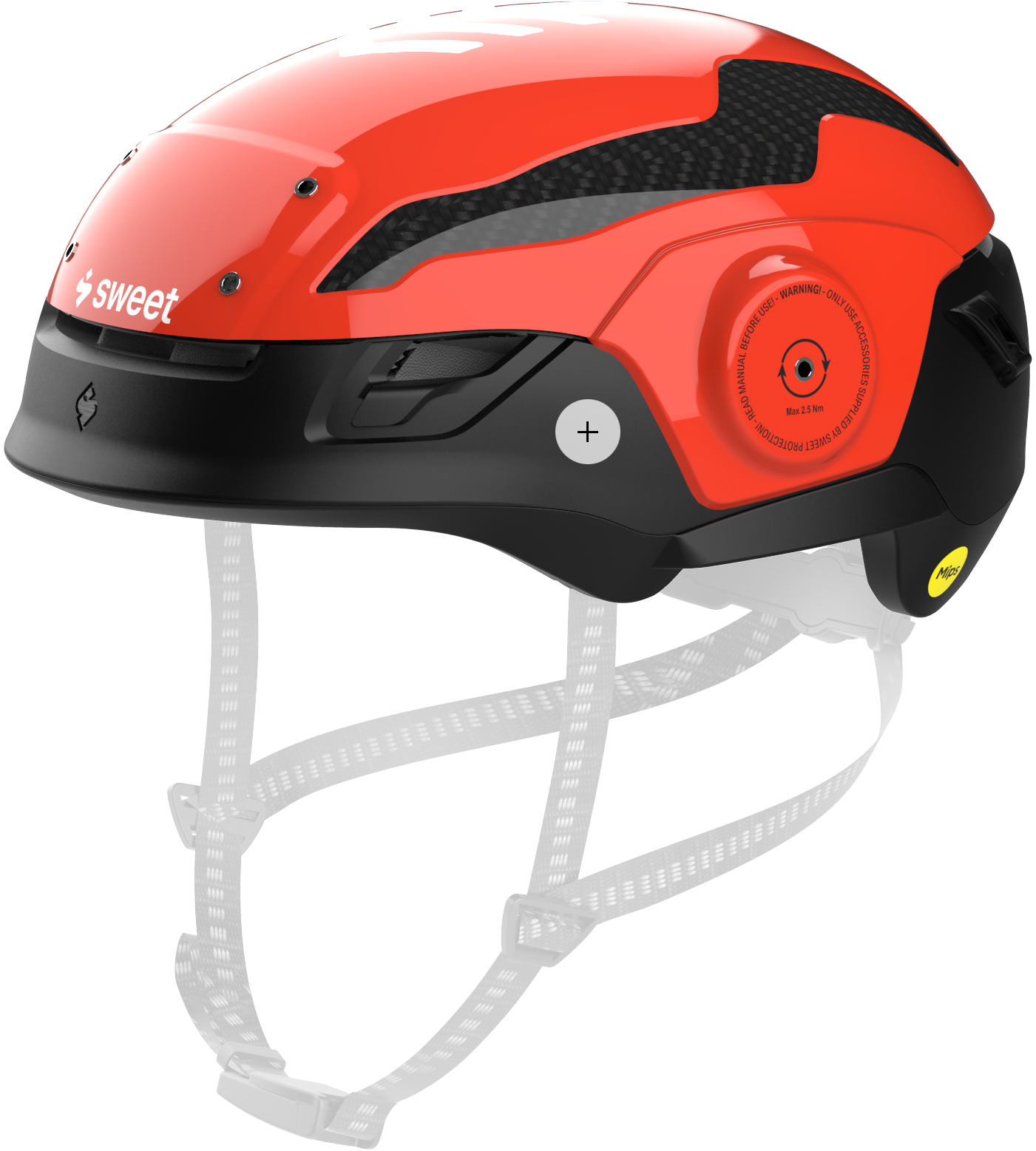
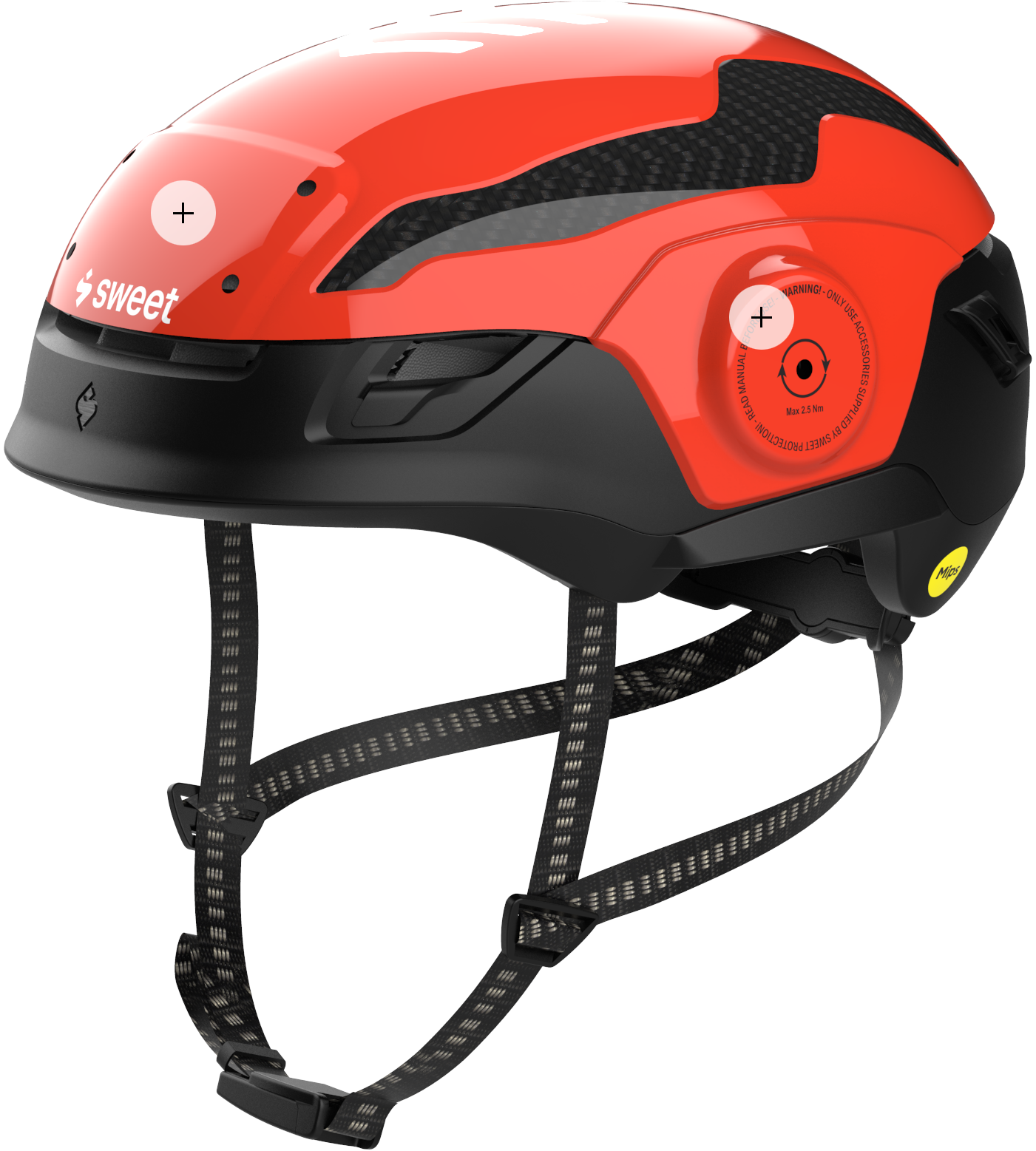
Ascender SAR helmet in Bright Red, front three-quarter view, without accessories

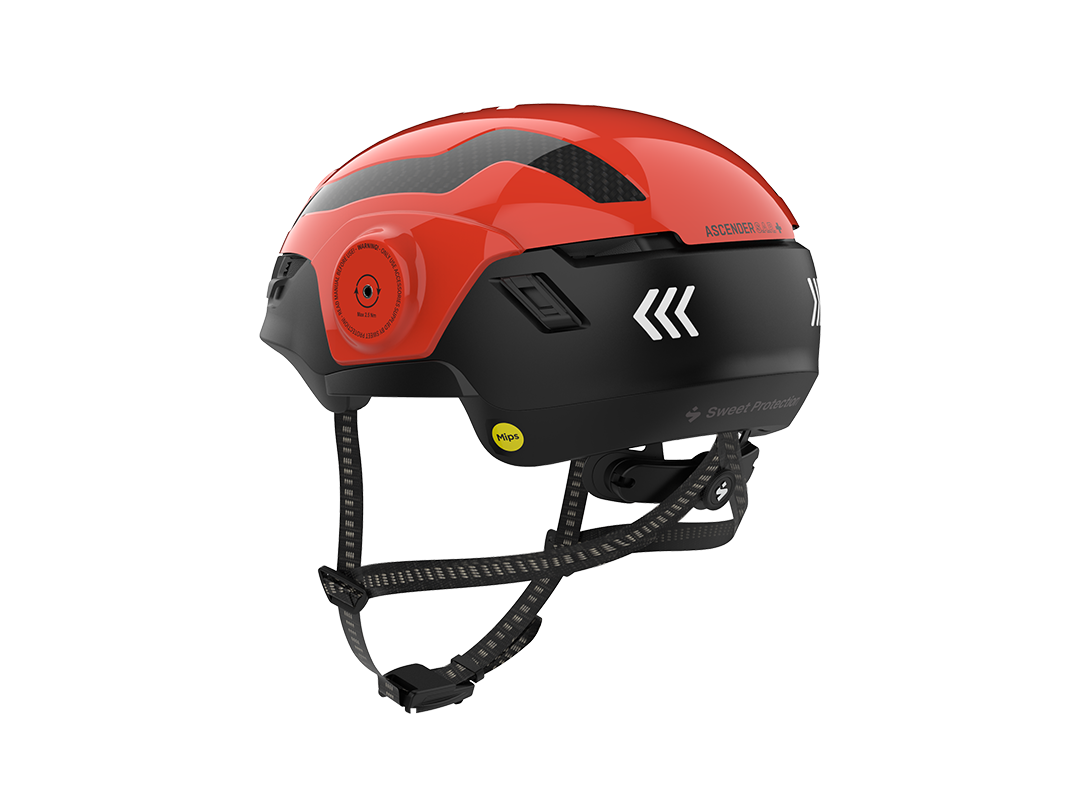
1 / 6 · Front three-quarter · helmet only

Mission

Seven configurations

Colour is not a separate choice. Each mission is its own colourway, marking and accessory set, so you specify by what the crew does.

Developed with the Norwegian Air Ambulance Foundation

Size and weight

Technology

Pre-preg carbon shellPolycarbonate bottom shell, in-mould
2-layer Mips®Rotational impact protection
Occigrip fit systemLow volume, 360° micro adjustment
Ventilation5 penetration resistant vents, internal cooling channels
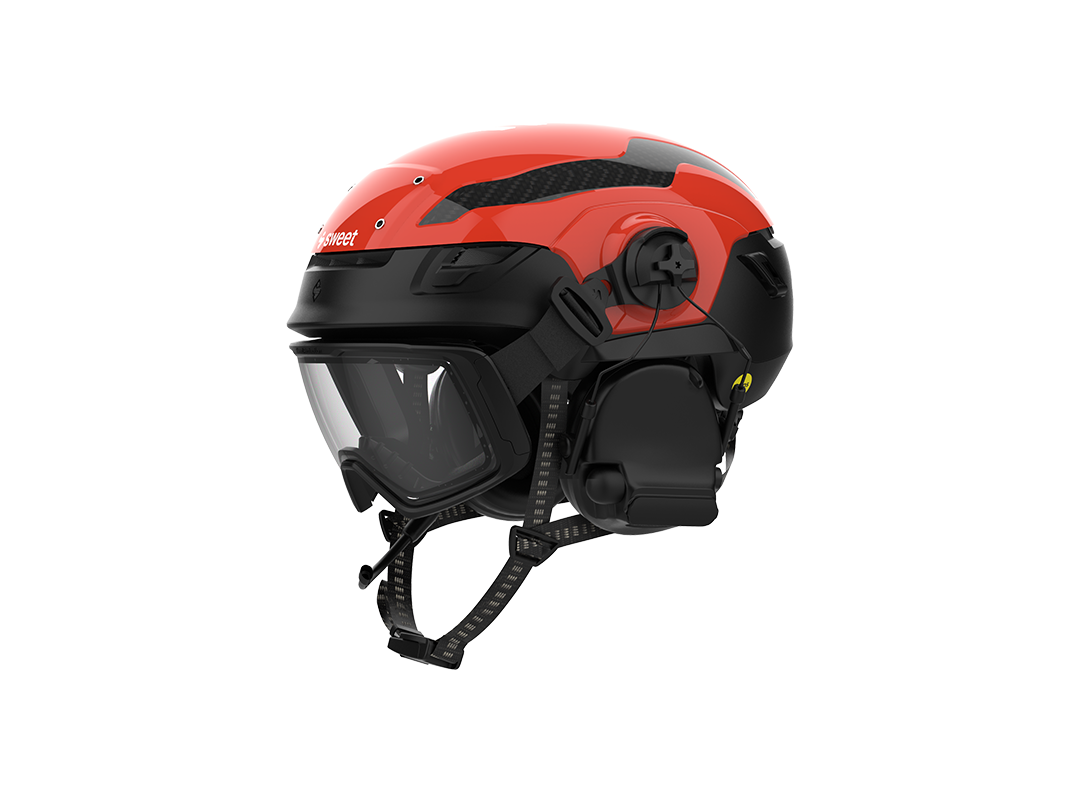
Mounting points4 clips, supplied mounts, 4 front inserts for NVG

Certifications

Shared across all seven configurations.

  • EN 12492:2012Helmet for mountaineering
  • EN 1077:2007 – Class BHelmet for skiing and snowboarding
  • ASTM 2040-18For use in non-motorized recreational snow sports, such as skiing, snowboarding and other alpine sports
  • EN 1385:2012White water. Conforms to all requirements in EN 1385:2012, except 5.2 Extent of shell to accommodate protective goggles

Accessories and eyewear

Included in the box

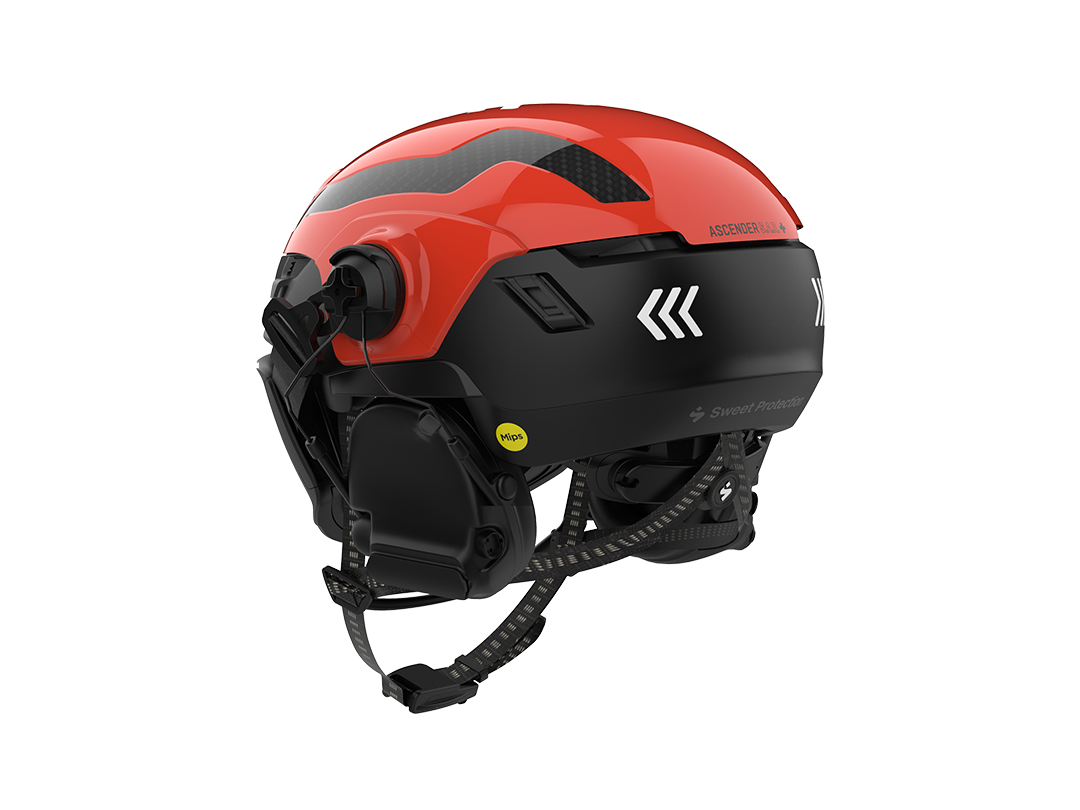
  • Image coming soon Head-phone and goggle mounts Adjustable mounts, supplied with the helmet.

Available separately

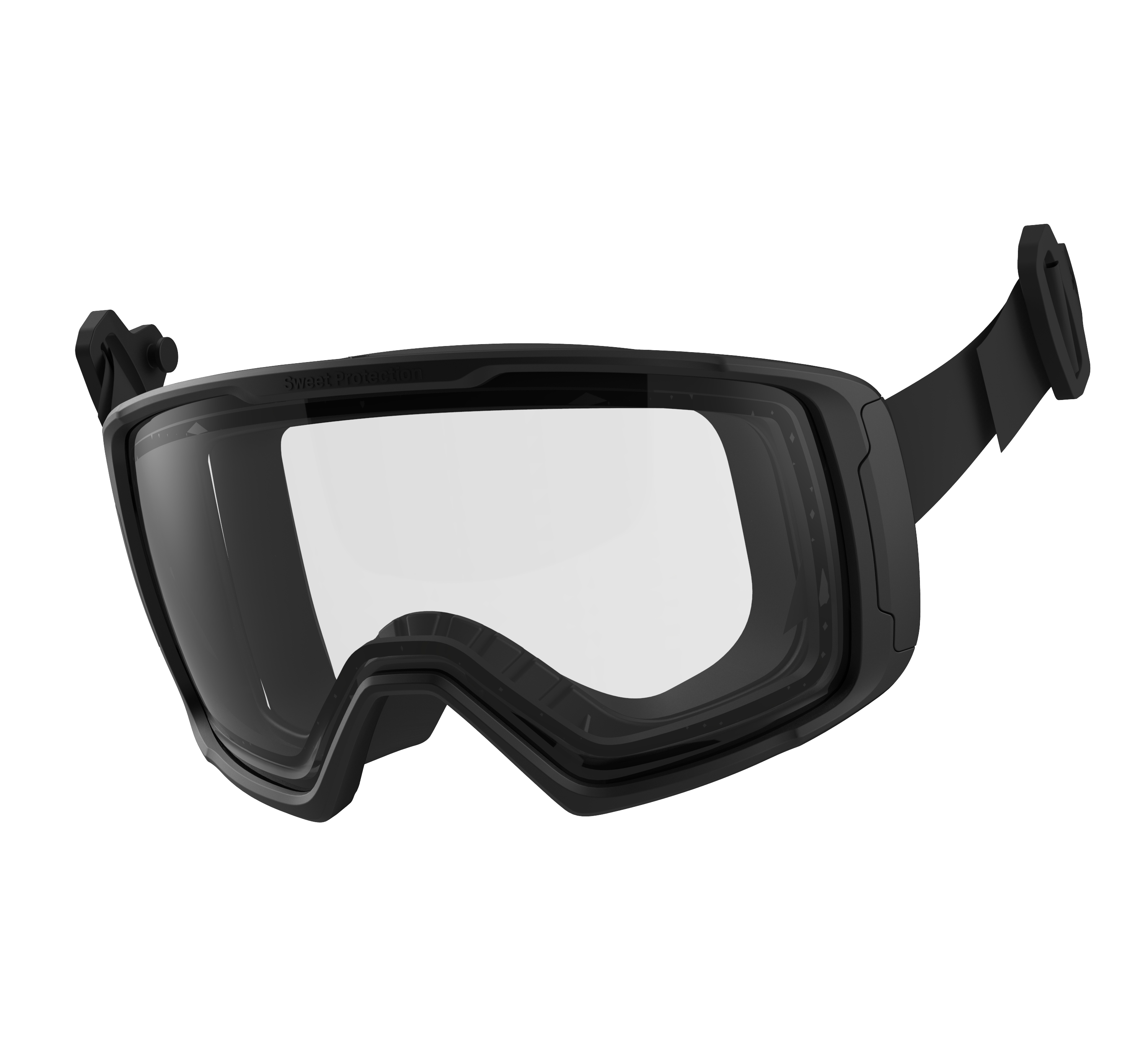
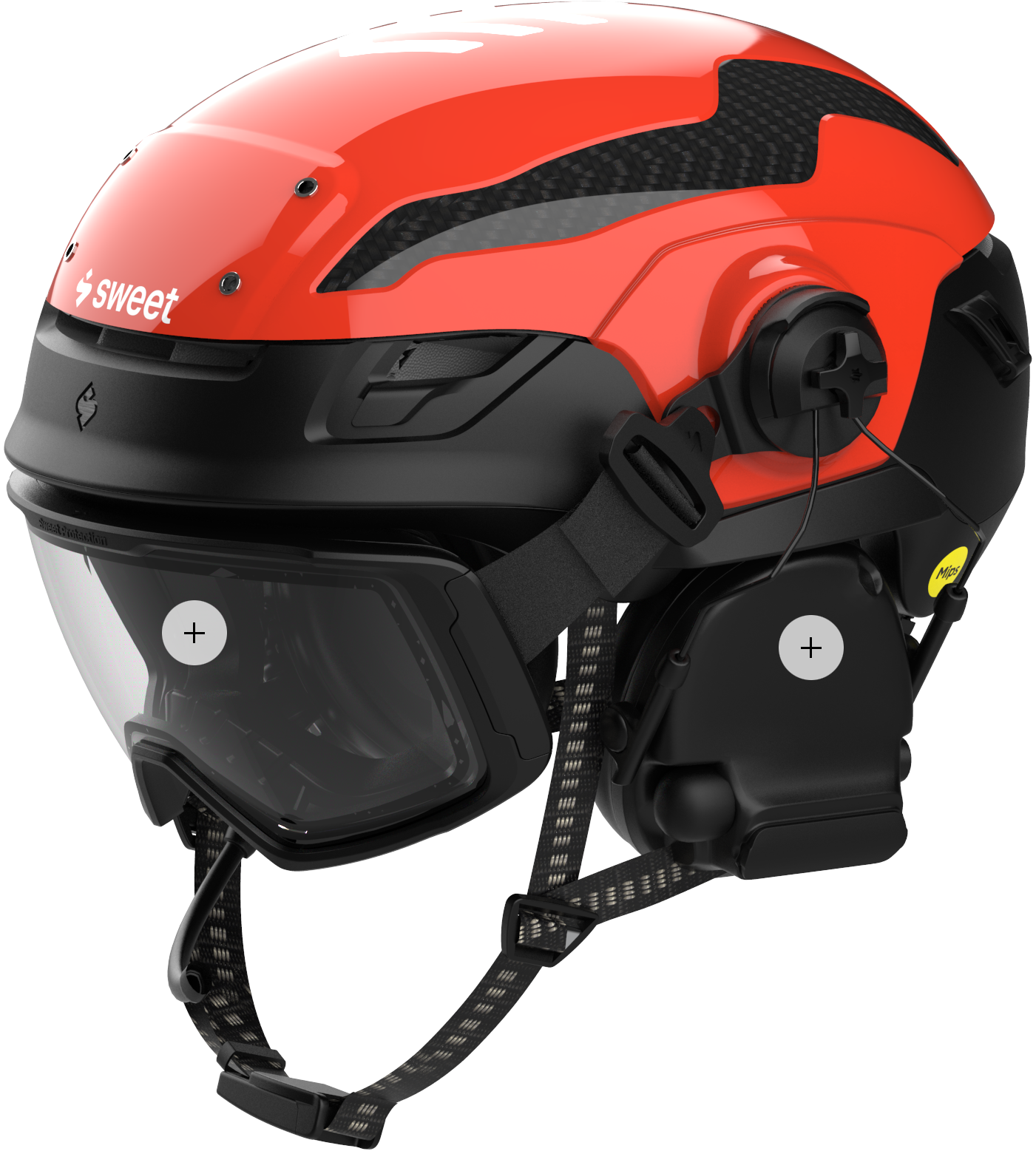
  • Clockwork SAR goggles Made for the Ascender 2Vi® Mips® SAR helmet. Sold separately, with the full RIG® lens technology program for all weather conditions. See the goggles
  • Image coming soon NVG and mounted accessories Four threaded inserts in the front take accessories such as NVG. Accessories are not covered by the certification. COMING SOON

Fit

Four sizes, 53 to 64 cm

Measure the head circumference just above the brow line and choose the matching size.

S/M
53–56 cm
M/L
56–59 cm
L/XL
59–61 cm
XXL
61–64 cm

Construction

500 g in size M/L

Helmet weight in size M/L is 500 g. A helmet is often worn for hours in demanding conditions, where freedom of movement matters and every gram adds up. The Ascender S.A.R. is built to be light without compromising protection, and it is certified to the standards listed under Certifications.

2Vi® Mips® Technology

Hover or tap a layer to see what it does, or run the impact simulation.

Technology

2Vi® Mips

2Vi® is a helmet technology developed by Sweet Protection in Norway. Three parts work together and are tuned to each helmet model: a shell that flexes to spread impact forces, a multi-density liner that absorbs the energy, and a Mips® layer that helps reduce rotational forces transferred to the head in certain angled impacts.

Norwegian air ambulance

Developed with the crews who fly in the worst of it

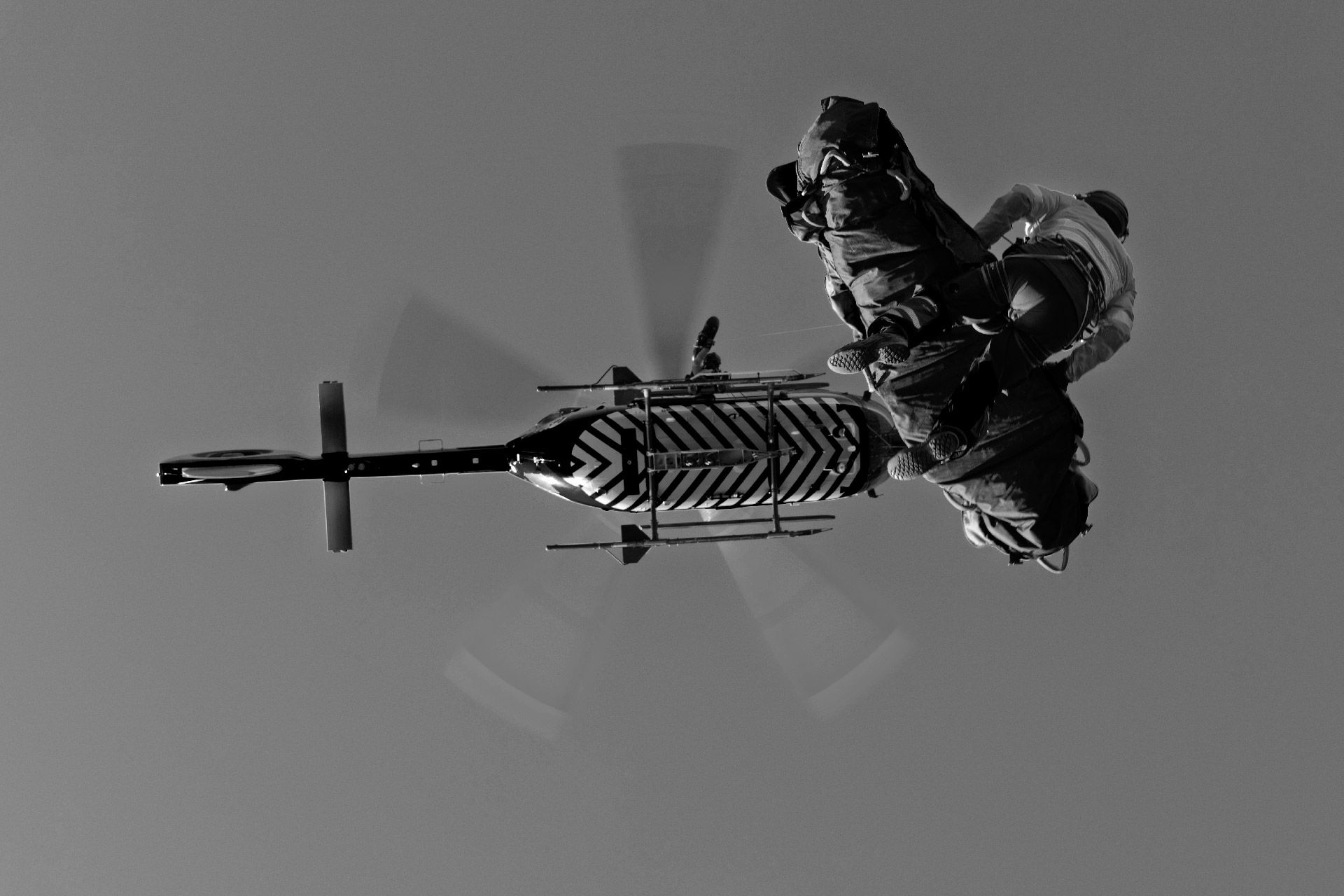
Rescuer on a hoist line beneath a helicopter

Four seasons on live missions

Air ambulance crews wore prototypes on winch operations through Norwegian winters. Shell geometry, mount positions and retention all changed on their feedback.

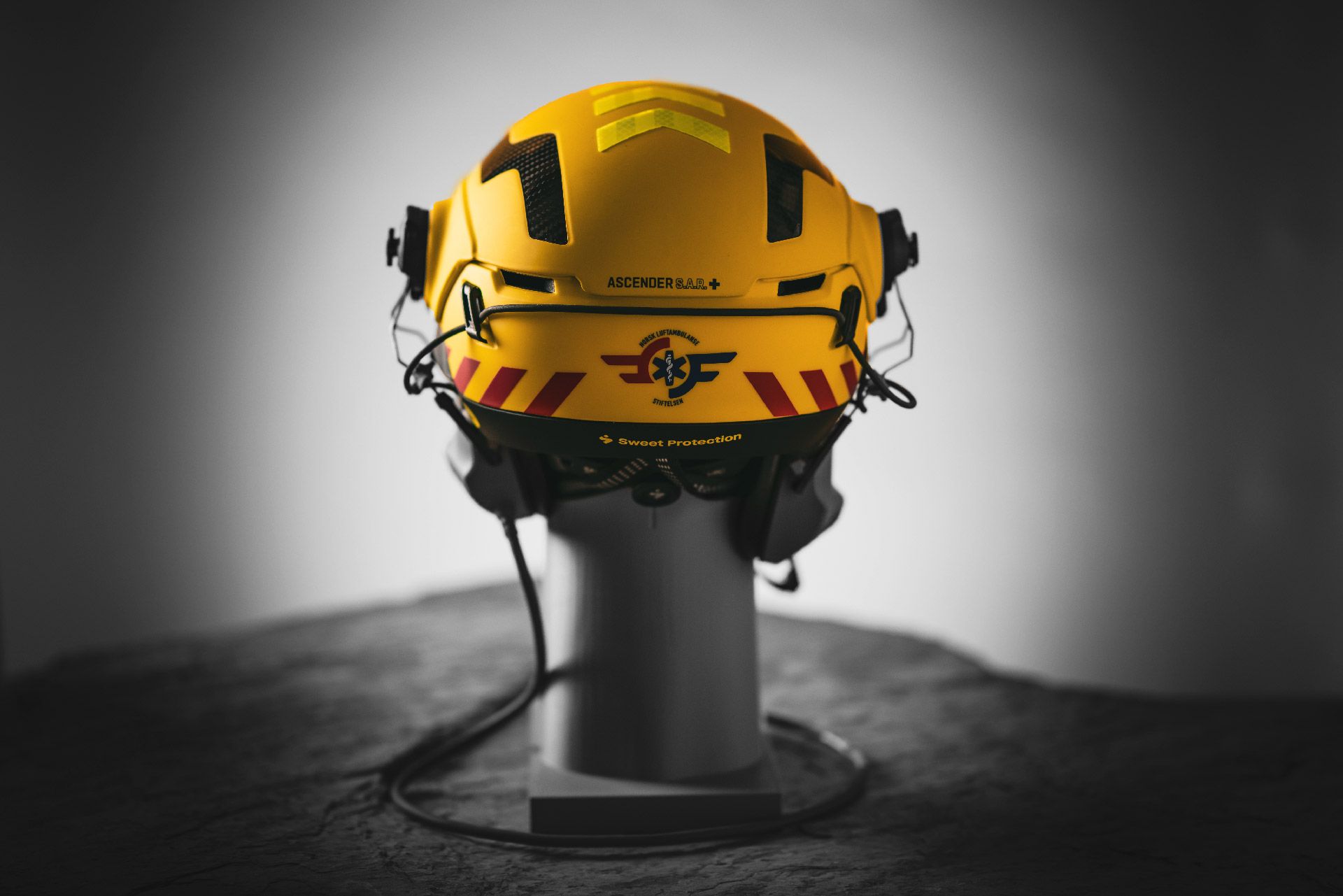
Ascender SAR helmet in Norsk Luftambulanse livery

One shell, five approvals

Mountaineering, industrial, water rescue, wildland fire and eye protection on the same structure, so one helmet covers work that normally takes three.

Construction

Developed with the crews who fly in the worst of it

The Ascender S.A.R. began as a mountaineering shell and was rebuilt around hoist work. Crews from the Norwegian Air Ambulance Foundation flew prototypes on live missions across four seasons, and each round of feedback went back into shell geometry, mount positions and the retention system.

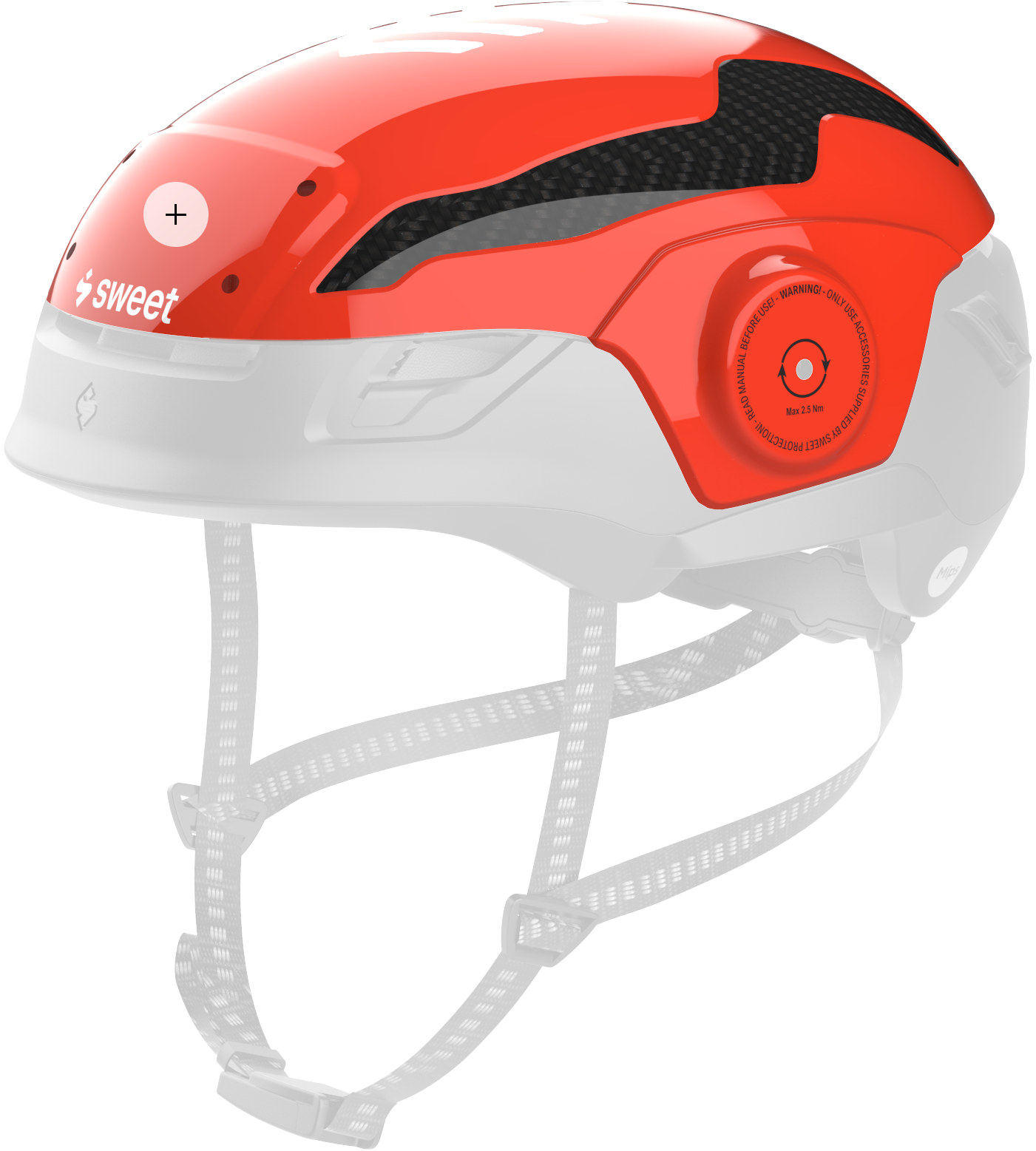
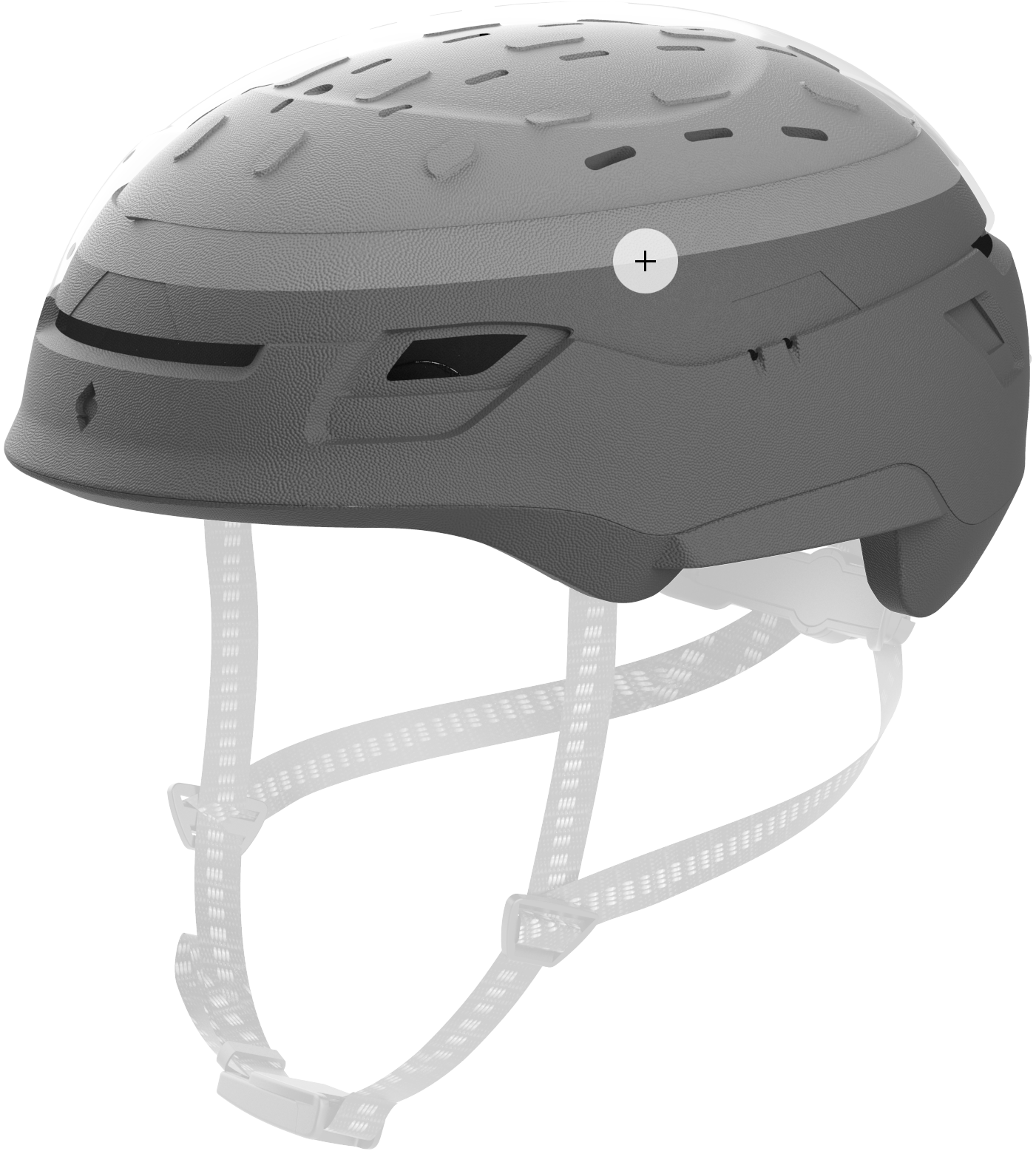
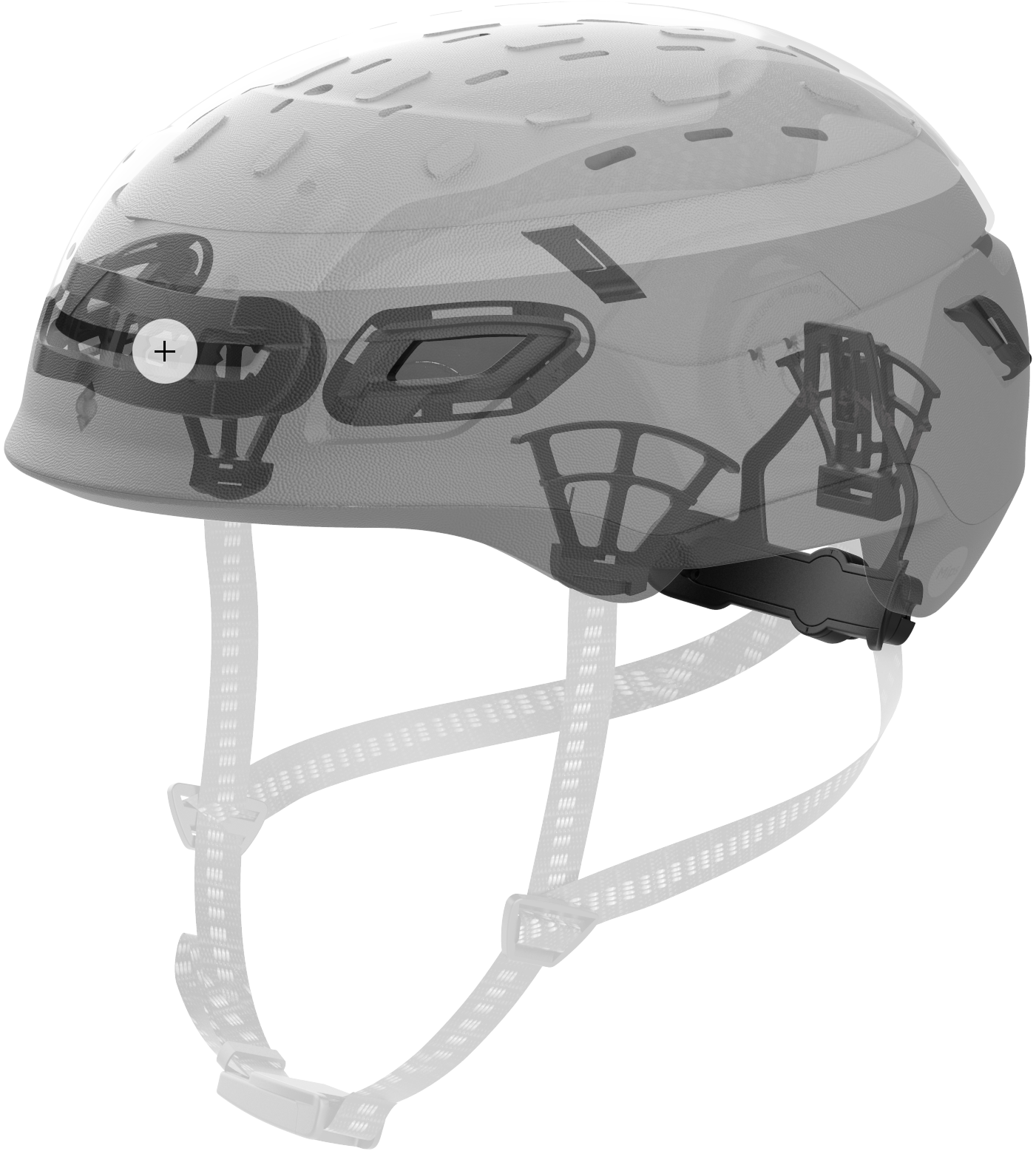
A pre-preg carbon top shell sits over a polycarbonate bottom shell, in-moulded to a multi-density EPS liner. The structure is built to spread impact energy rather than concentrate it at the point of impact.

Four threaded inserts in the front take accessories such as NVG, and four clips hold accessories and cables. Accessories are not covered by the certification.

Technology

How it is built

Keep scrolling to step through the construction

Carbon fibre top shell

Gallery

Crews on live tasks with the configurations they specify.
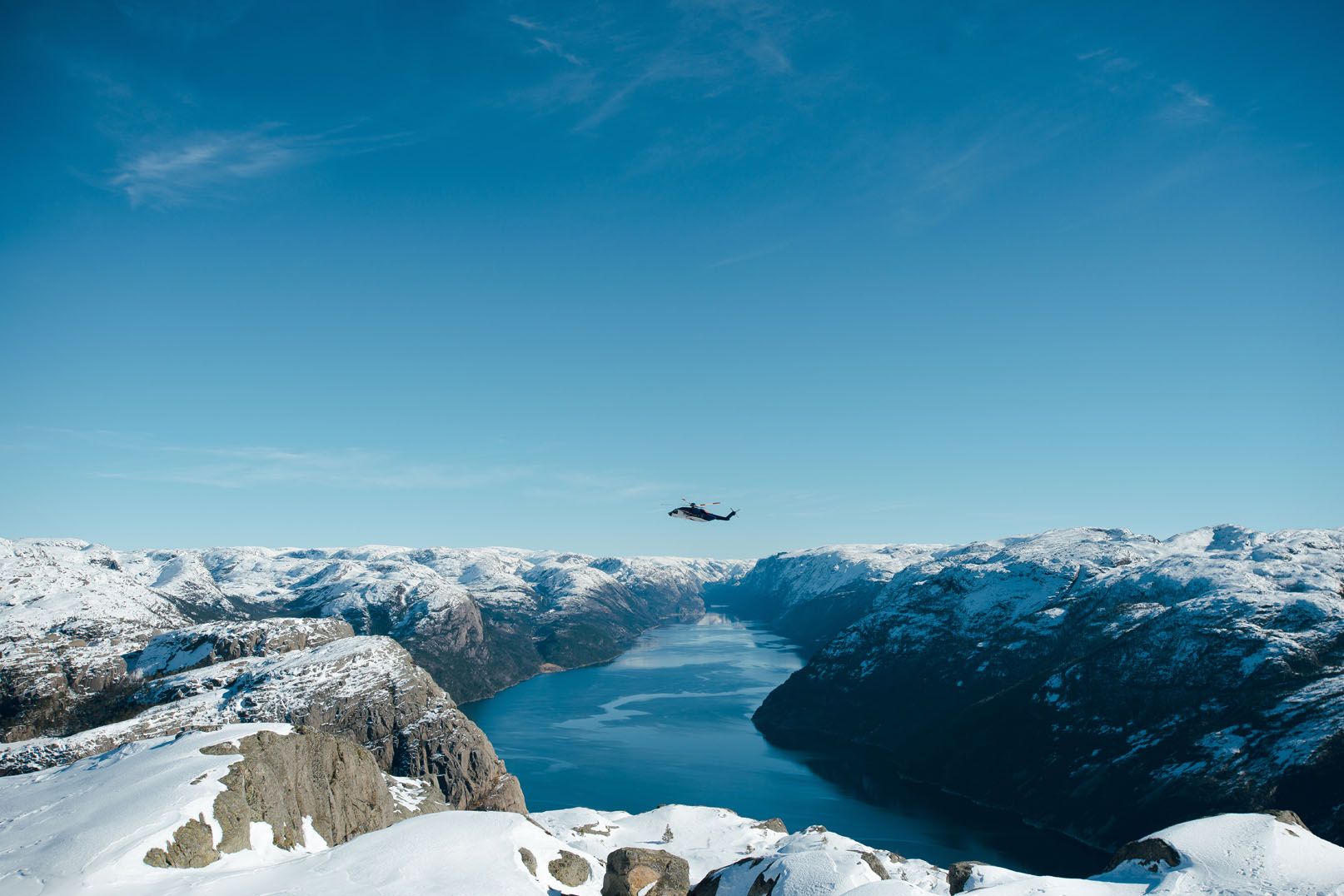
Rescue helicopter over a Norwegian fjord in winter
Winter operations over the fjord
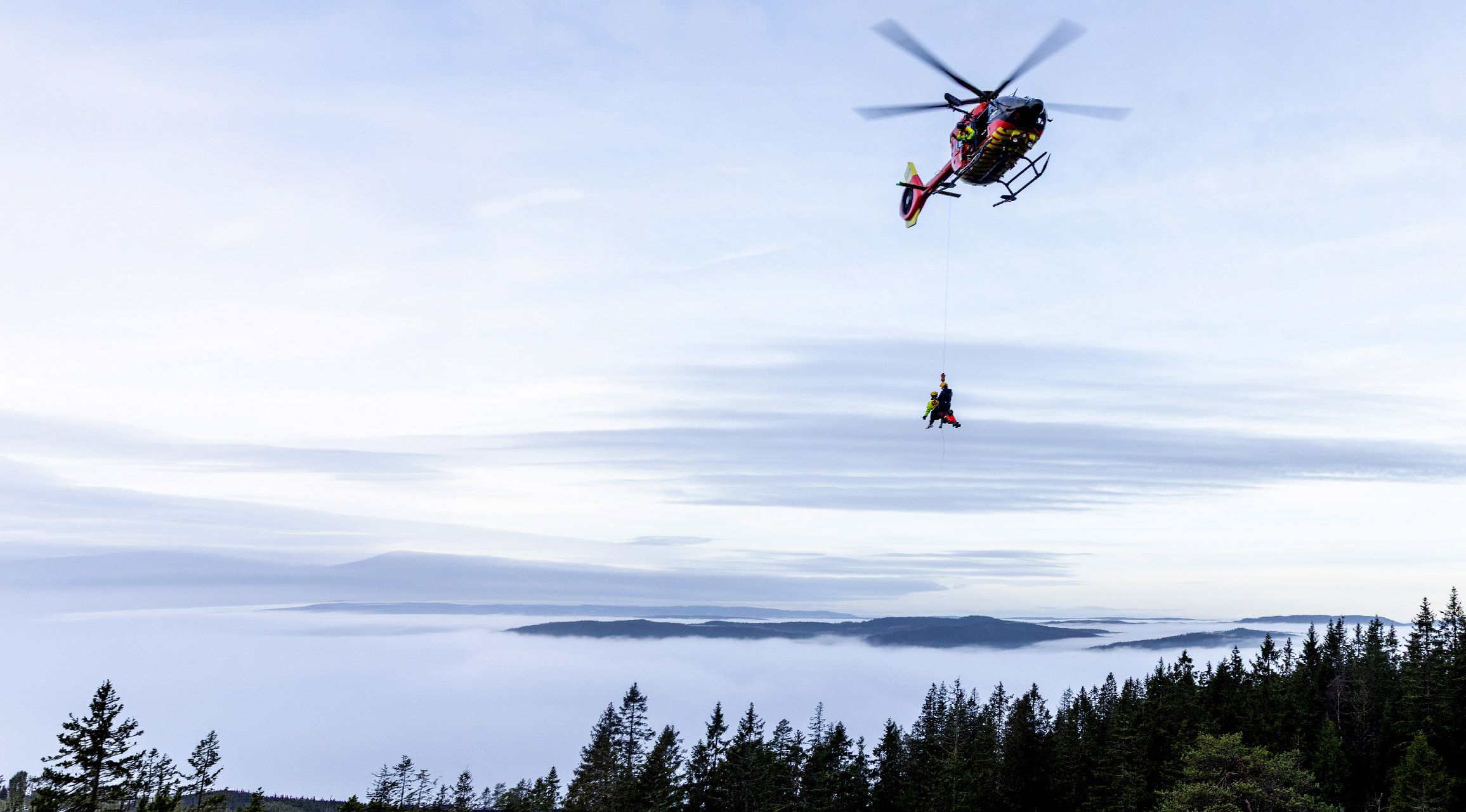
Rescuer on a hoist line above a treeline with a cloud sea below
One helmet for different operations, terrain and conditions
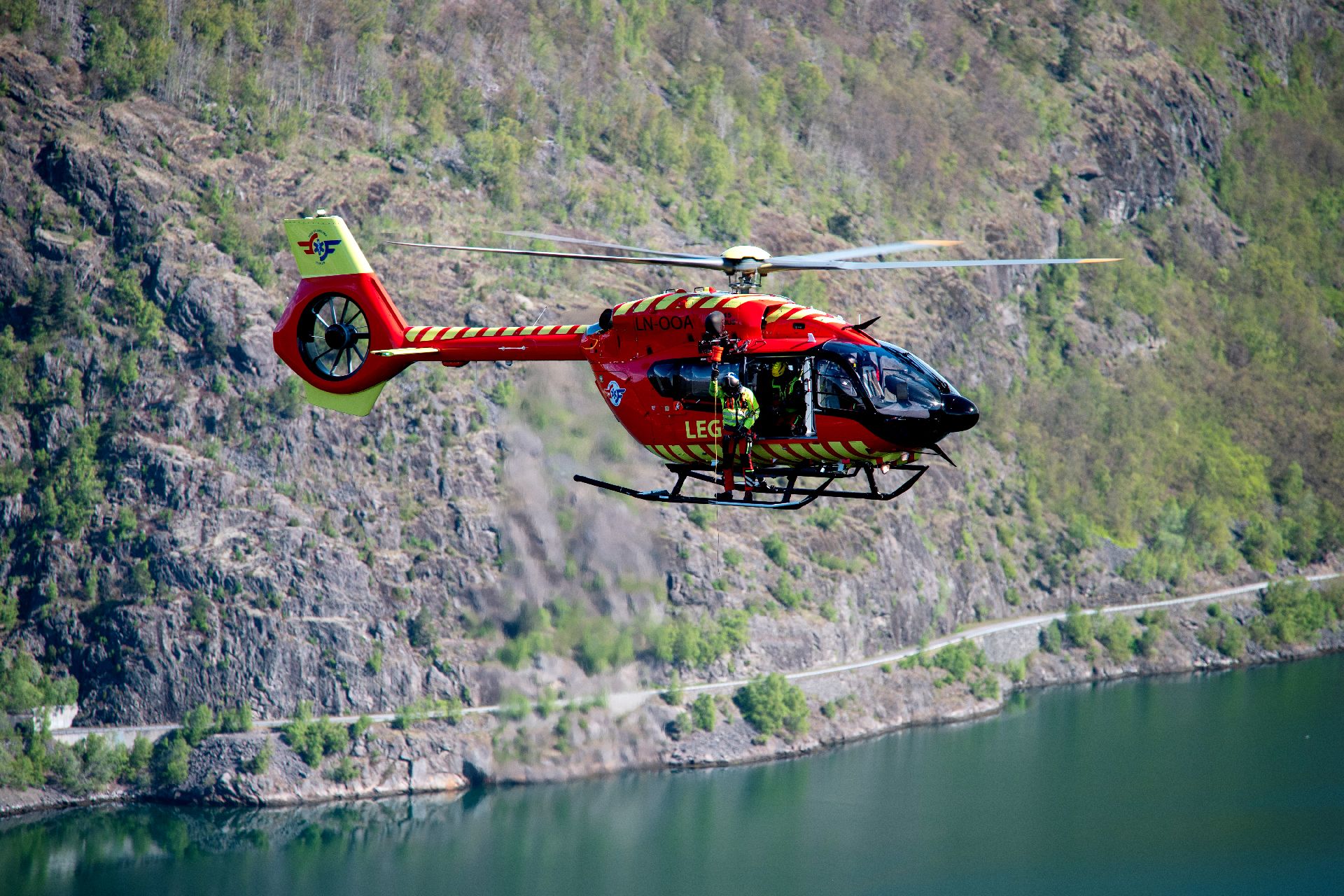
Norwegian Air Ambulance helicopter with a rescuer on the hoist above a fjord
Hoist training with the Norwegian Air Ambulance
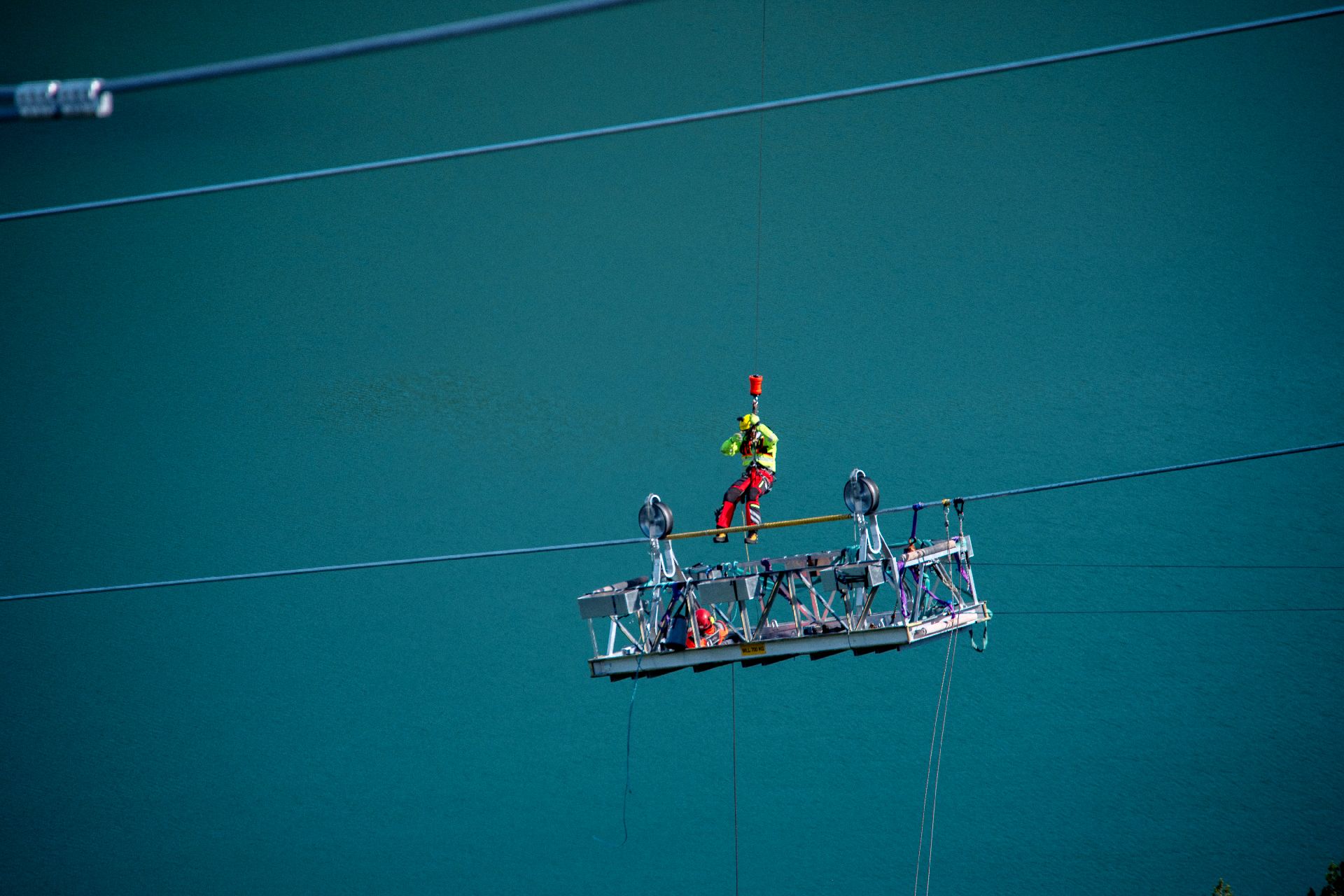
Rescuer on a hoist line above a work platform on a cable span
Hoist onto a cable-span platform, Norwegian Air Ambulance exercise

Specification

Everything a tender asks for

Declarations of conformity, test reports and CAD files are available without an account.

Open document centre
Certifications
EN 12492:2012, EN 1077:2007 Class B, ASTM 2040-18, EN 1385:2012
Sizes
S/M 53–56 cm, M/L 56–59 cm, L/XL 59–61 cm, XXL 61–64 cm
Weight
500 g (size M/L)
Shell
Pre-preg carbon top shell, in-mould
Liner
Multi-density EPS
Rotational protection
2Vi® Mips
Accessory interface
4 threaded inserts in the front, 4 clips
Service interval
Inspection every 12 months
Documentation
DoC, test report and CAD, no account required
Ascender S.A.R. 2Vi® Mips General SAR Request a quote
DEV · drafts visible Release status →